Subscriber First Name ͏ ͏ ͏ ͏ ͏ ͏ ͏ ͏ ͏ ͏ ͏ ͏ ͏ ͏ ͏ ͏ ͏ ͏ ͏ ͏ ͏ ͏ ͏ ͏ ͏ ͏ ͏ ͏ ͏ ͏ ͏ ͏ ͏ ͏ ͏ ͏ ͏ ͏ ͏ ͏ ͏ ͏ ͏ ͏ ͏ ͏ ͏ ͏ ͏ ͏ ͏ ͏ ͏ ͏ ͏ ͏ ͏ ͏ ͏ ͏ ͏ ͏ ͏ ͏ ͏ ͏ ͏ ͏ ͏ ͏ ͏ ͏ ͏ ͏ ͏ ͏ ͏ ͏ ͏ ͏ ͏ ͏ ͏ ͏ ͏ ͏ ͏ ͏ ͏ ͏ ͏ ͏ ͏ ͏ ͏ ͏ ͏ ͏ ͏ ͏ ͏ ͏ ͏ ͏ ͏ ͏ ͏ ͏ ͏ ͏ ͏ ͏ ͏ ͏ ͏ ͏ ͏ ͏ ͏ ͏ ͏ ͏ ͏ ͏ ͏ ͏ ͏ ͏ ͏ ͏ ͏ ͏ ͏ ͏ ͏ ͏ ͏ ͏ ͏ ͏ ͏ ͏ ͏ ͏ ͏ ͏ ͏ ͏ ͏ ͏ ͏ ͏ ͏ ͏ ͏ ͏ ͏ ͏ ͏ ͏ ͏ ͏ ͏ ͏ ͏ ͏ ͏ ͏ ͏ ͏ ͏ ͏ ͏ ͏ ͏ ͏ ͏ ͏ ͏ ͏ ͏ ͏ ͏ ͏ ͏ ͏ ͏ ͏ ͏ ͏ ͏ ͏ ͏ ͏ ͏ ͏ ͏ ͏ ͏ ͏ ͏ ͏ ͏ ͏ ͏ ͏ ͏ ͏ ͏ ͏ ͏ ͏ ͏ ͏ ͏ ͏ ͏ ͏ ͏ ͏ ͏ ͏ ͏ ͏ ͏ ͏ ͏ ͏ ͏ ͏ ͏ ͏ ͏ ͏ ͏ ͏ ͏ ͏ ͏ ͏ ͏ ͏ ͏ ͏ ͏ ͏ ͏ ͏ ͏ ͏ ͏ ͏ ͏ ͏ ͏
Alignment Health Co

Edition 4
Shop 3, 7 Skyline Place, Frenchs Forest 9599 6847


Welcome to Edition 4 of our Newsletter.

As we settle into the cooler months, it's easy to become a little less active. Whether it's choosing the couch over a walk or avoiding movement because of aches and pains, many of us naturally slow down.

This edition is all about the power of movement and why staying active—at the right level—can play such an important role in reducing pain, building confidence and keeping you doing the things you love.

 BOOK NOW 

Clinic Spotlight: Supporting Workplace Injury Recovery


To book with Chiropractor Aden or Physiotherapist Harrison

 CLICK HERE 


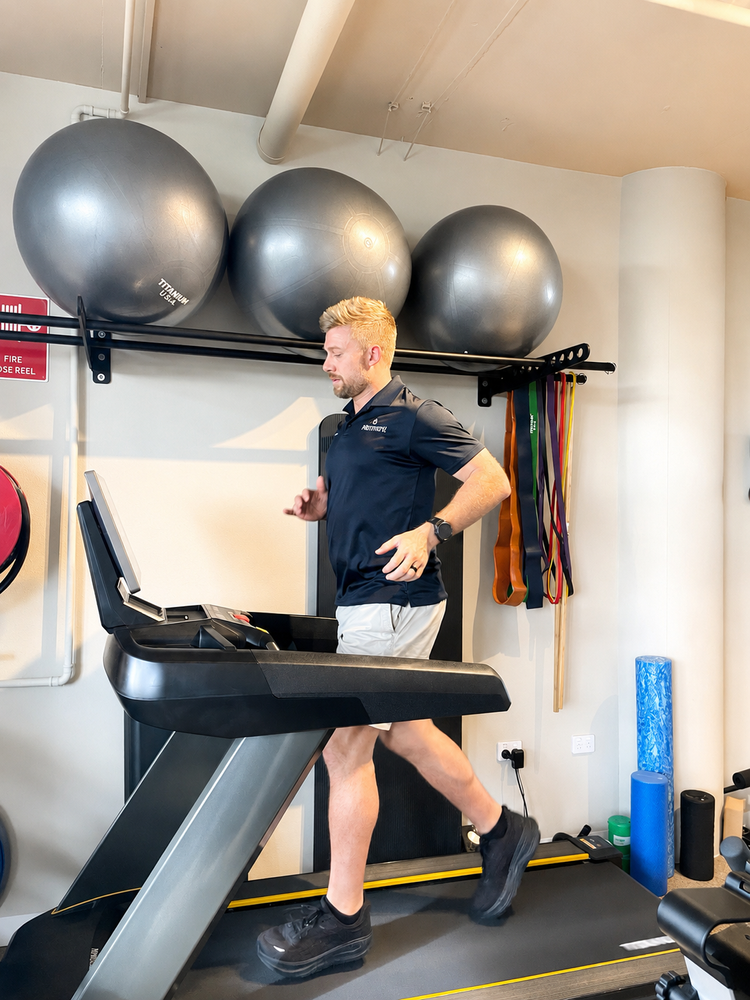
Made to Move: Why Movement Can Restore Your Freedom

By Harrison Pietor

Have you ever avoided bending down, going for a walk, or picking something up because you were worried it might make your pain worse?

If so, you're not alone. It's a very common response. But in many cases, avoiding movement can actually slow your recovery.

In modern musculoskeletal care, there's a growing understanding that movement plays a vital role in recovery. This approach, known as movement optimism, is changing the way clinicians help people recover from pain.

What Is Movement Optimism?

At its core, movement optimism is a simple but powerful belief: your body is adaptable, resilient and designed to change.

Rather than viewing pain as a sign that your body is fragile or damaged, movement optimism recognises that safe, appropriate movement is one of the most effective tools for recovery.

While pain can sometimes be linked to tissue damage, it can also reflect a nervous system that has become more sensitive. The good news is that this sensitivity can change over time. This means pain doesn't always tell the whole story, and with the right approach, your body can become less sensitive and more confident in movement.

Movement optimism is based on four simple principals:

  • Your body is designed to adapt and become stronger.

  • Movement is generally safe, even if it's a little uncomfortable at first.

  • Building confidence in movement is just as important as building strength.

  • Pain doesn't always mean you're causing harm or making an injury worse.

This approach replaces outdated messages such as "your spine is fragile" or "you should stay in bed" with evidence-based reassurance.

Your body is strong and adaptable, and with the right guidance, movement helps your muscles, joints and tissues become healthier, stronger and more resilient.

Why We Stop Moving

When something hurts, it's natural to protect it. You may find yourself avoiding certain movements because you're worried they'll make things worse.

This fear of movement—known as kinesiophobia—is one of the strongest predictors of ongoing pain and disability.

When we're afraid to move, several things can happen:


➜ Muscles tighten and become protective.
➜ Movement becomes stiff, hesitant, and less efficient.
➜ Activity levels decrease, leading to deconditioning.
➜ The nervous system becomes more protective and sensitive.
➜ Confidence declines, and pain often increases.

Often, this isn't because damage is getting worse—it's because your body has become less accustomed to moving.

Breaking this cycle requires safe, positive movement experiences. By gradually reintroducing movements that may have become fearful or uncomfortable, the nervous system learns that movement is safe again. Over time, this helps rebuild confidence, restore function and reduce pain.

Pain Doesn't Always Mean Damage

One of the biggest misconceptions about pain is that it always means something is damaged.

Think of pain as your body's alarm system. Sometimes that alarm is responding to an injury, but sometimes it becomes extra sensitive and stays switched on longer than it needs to.

Many factors can influence how sensitive that alarm becomes, including:

  • Stress

  • Poor sleep

  • Previous injuries

  • Worry or fear about pain

  • Your daily environment and experiences

This helps explain why two people with similar scan results can experience very different levels of pain.

When we help calm the nervous system through education, movement and positive experiences, that alarm often becomes less protective. As it does, movement becomes easier, confidence grows, and pain often begins to settle.

Why Exercise Is So Powerful

Exercise is much more than simply "keeping active." It is one of the most effective ways to help your body adapt, recover and become stronger.

Regular movement can:

✔ Build stronger muscles
✔ Improve joint mobility
✔ Strengthen bones and tendons
✔ Improve circulation
✔ Reduce stiffness
✔ Support better sleep
✔ Boost mood and energy
✔ Help your nervous system become less sensitive to pain

Research consistently shows that exercise is one of the most effective treatments for many muscle and joint conditions. It not only improves physical strength but also restores confidence, helping people return to the activities they enjoy.

The Takeaway

Your body is stronger than you think.

Movement optimism isn't about pushing through pain or pretending everything is fine. It's grounded in decades of research showing that:

  • Pain does not always equal damage.

  • The nervous system can become overprotective.

  • Fear of movement can prolong pain.

  • Exercise is safe, effective and transformative.

  • The body responds to gradual, confident loading.

When you move with optimism, you give your body the chance to do what it does best: adapt, strengthen and heal.

If you're dealing with pain, the goal isn't to avoid movement—it's to find the right movement, at the right level, and build from there. Your body is capable. Your tissues are adaptable. And with the right guidance, movement becomes not something to fear, but something that restores your freedom.

References

Booth et al. (2017) – Exercise for Chronic Musculoskeletal Pain: A Biopsychosocial Approach
Hayden et al. (2021) – Exercise Therapy for Chronic Low Back Pain
Louw et al. (2016) – The Efficacy of Pain Neuroscience Education
Moseley & Butler (2015) – Explain Pain Supercharged
O'Sullivan et al. (2016) – Unravelling the Complexity of Low Back Pain
Vlaeyen & Linton (2000) – Fear-Avoidance and Its Consequences in Chronic Musculoskeletal Pain

Alignment Health Co
facebook instagram

www.alignmenthealthco.com.au

Alignment Health Co, Shop 3, 7 Skyline Place , Frenchs Forest, NSW, 2086, Australia

Powered by Squarespace

Unsubscribe