|
One of the most important principles in health, movement, and performance is a simple concept: Structure governs function
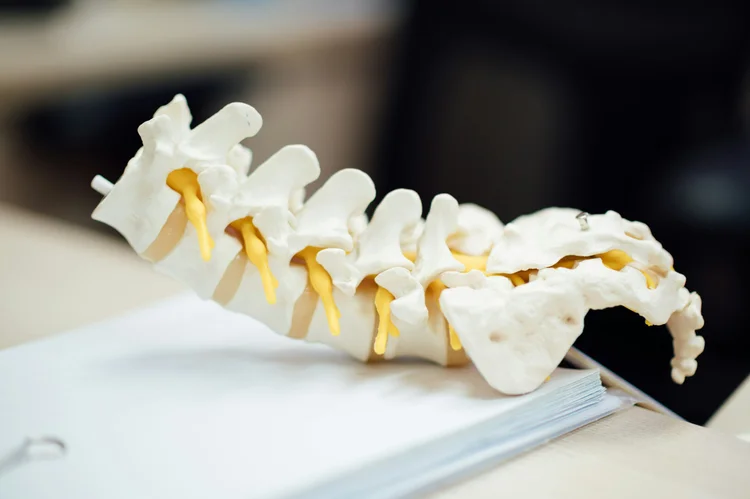
In the human body, structure refers primarily to the alignment and positioning of our skeletal system — the spine, pelvis, and joints that form the framework of how we move. Function is how well everything works on top of that framework: joint mechanics, muscle activation, movement efficiency, and even how resilient our body is under load. When the skeletal structure is not aligned or moving correctly, it has a significant flow-on effect through the entire body. Your joints are designed to move in very specific ways. When alignment is compromised, those joints often lose their optimal movement patterns. This places extra stress on surrounding tissues and forces the body to compensate. Joint mechanics become inefficient or restricted. Muscles are asked to work harder or in ways they weren’t designed to. The fascial system — the connective tissue web that links everything together — becomes tense, overloaded, or imbalanced. Modern health and fitness does many things extremely well. Cardiovascular training such as running, cycling, swimming, and rowing is fantastic for heart health, endurance, and mental wellbeing. Strength training and rehabilitation are essential for building resilient muscles and improving capacity. However, if the underlying structure isn’t working correctly, all of this effort can be limited. You can strengthen a muscle endlessly, but if the joint it moves isn’t aligned or functioning properly, that muscle can never perform to its full potential. The same applies to flexibility, stability, and even cardiovascular efficiency — movement inefficiencies cost energy. When structural alignment and joint motion are restored, muscles can activate more effectively, load is distributed more evenly through the body, movement becomes smoother, stronger, and more efficient, and training adaptations occur faster and with less strain. By starting with structure, then layering in strength, conditioning, and sport-specific training, the body is able to reach higher levels of performance, fitness, and durability. Think of the body like baking a chocolate cake. To make a cake, you need to mix the ingredients together properly, put them in the oven, and follow the correct order. If you put the ingredients into the oven separately — flour on its own, eggs on their own, chocolate on its own — you won’t get a cake. You’ll just get a mess of melted ingredients. The same applies to the human body. Cardio, strength, mobility, and rehab are all important ingredients — but without the right structure holding everything together, the result will always fall short. Structure governs function. When alignment comes first, everything else works better.
|