|
Subscriber First Name ͏ ͏ ͏ ͏ ͏ ͏ ͏ ͏ ͏ ͏ ͏ ͏ ͏ ͏ ͏ ͏ ͏ ͏ ͏ ͏ ͏ ͏ ͏ ͏ ͏ ͏ ͏ ͏ ͏ ͏ ͏ ͏ ͏ ͏ ͏ ͏ ͏ ͏ ͏ ͏ ͏ ͏ ͏ ͏ ͏ ͏ ͏ ͏ ͏ ͏ ͏ ͏ ͏ ͏ ͏ ͏ ͏ ͏ ͏ ͏ ͏ ͏ ͏ ͏ ͏ ͏ ͏ ͏ ͏ ͏ ͏ ͏ ͏ ͏ ͏ ͏ ͏ ͏ ͏ ͏ ͏ ͏ ͏ ͏ ͏ ͏ ͏ ͏ ͏ ͏ ͏ ͏ ͏ ͏ ͏ ͏ ͏ ͏ ͏ ͏ ͏ ͏ ͏ ͏ ͏ ͏ ͏ ͏ ͏ ͏ ͏ ͏ ͏ ͏ ͏ ͏ ͏ ͏ ͏ ͏ ͏ ͏ ͏ ͏ ͏ ͏ ͏ ͏ ͏ ͏ ͏ ͏ ͏ ͏ ͏ ͏ ͏ ͏ ͏ ͏ ͏ ͏ ͏ ͏ ͏ ͏ ͏ ͏ ͏ ͏ ͏ ͏ ͏ ͏ ͏ ͏ ͏ ͏ ͏ ͏ ͏ ͏ ͏ ͏ ͏ ͏ ͏ ͏ ͏ ͏ ͏ ͏ ͏ ͏ ͏ ͏ ͏ ͏ ͏ ͏ ͏ ͏ ͏ ͏ ͏ ͏ ͏ ͏ ͏ ͏ ͏ ͏ ͏ ͏ ͏ ͏ ͏ ͏ ͏ ͏ ͏ ͏ ͏ ͏ ͏ ͏ ͏ ͏ ͏ ͏ ͏ ͏ ͏ ͏ ͏ ͏ ͏ ͏ ͏ ͏ ͏ ͏ ͏ ͏ ͏ ͏ ͏ ͏ ͏ ͏ ͏ ͏ ͏ ͏ ͏ ͏ ͏ ͏ ͏ ͏ ͏ ͏ ͏ ͏ ͏ ͏ ͏ ͏ ͏ ͏ ͏ ͏ ͏ ͏ ͏
|
Edition 5
Shop 3, 7 Skyline Place, Frenchs Forest 9599 6847
|
|
Welcome to Edition 5 of our Newsletter.
In our last edition, we explored how pain isn't always a direct reflection of tissue damage, and how our brains and nervous systems influence the way we experience pain.
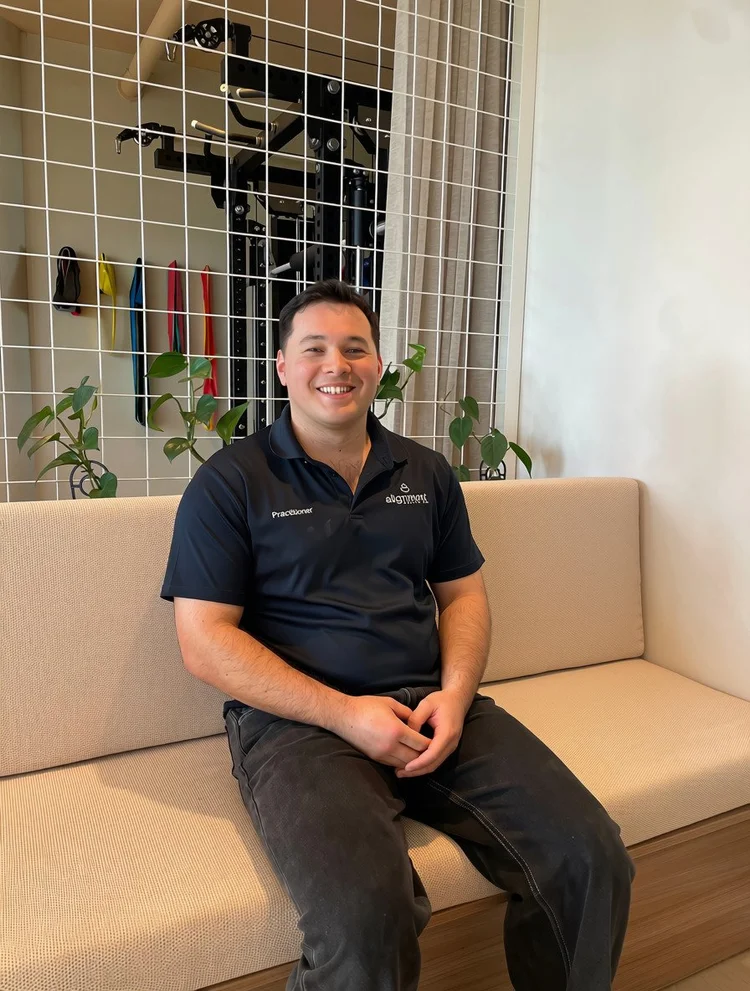
In this edition, Chiropractor Aden builds on that conversation by sharing his own recovery journey following a significant injury, exploring the difference between acute and chronic pain, and why understanding that difference is so important to recovery.
|
Clinic Spotlight: Running Gait Assessment
|
The Next Step: What My Injury Taught Me About Pain
|
|
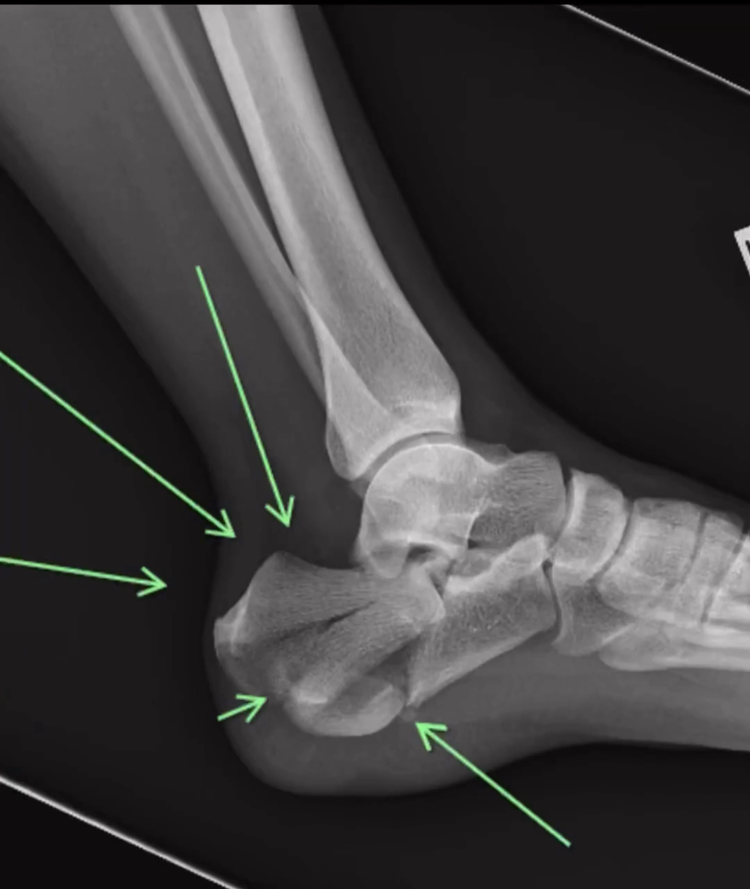
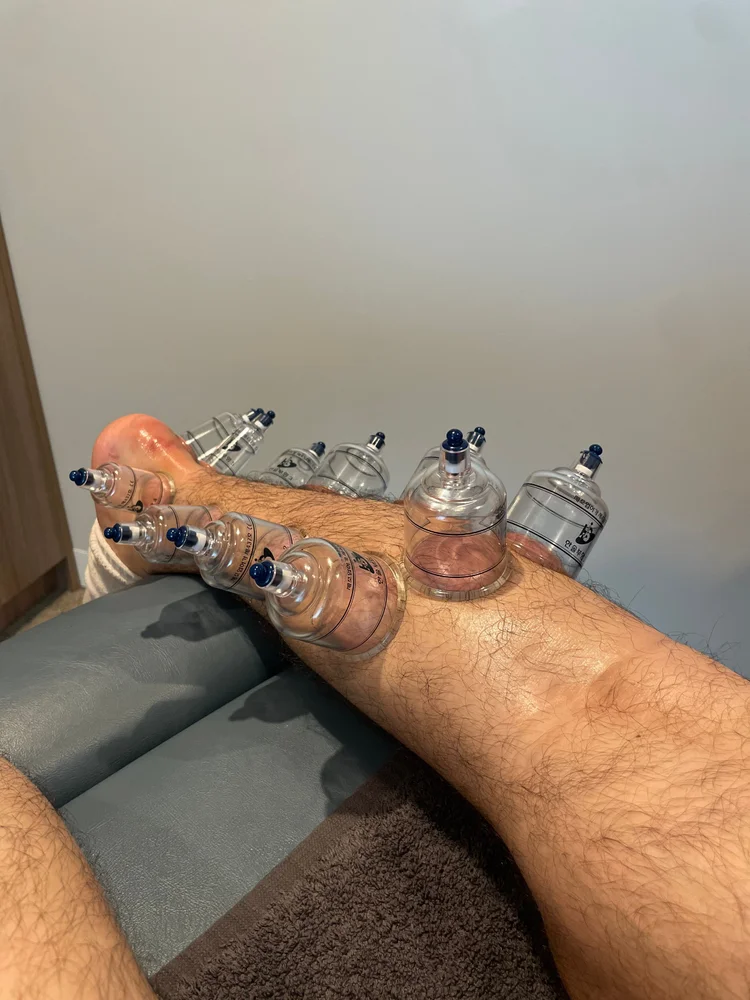
I'm currently recovering from a broken heel that required surgery, followed by a battle with infection and more time off my feet than I ever expected.
I know what it's like to have pain dominate your thoughts and wonder whether things will ever get better.
|
|
|
|
|
|
|
Thankfully, they usually do. The path to getting better, however, depends on understanding the type of pain you're experiencing—and recognising that progress is often measured in small wins, not giant leaps.
Understanding whether your pain is acute or chronic helps explain why two people with similar symptoms can need completely different treatment plans—and why recovery doesn't always follow the same timeline.
|
|
|
Acute PainAcute pain is new pain, usually lasting up to four weeks. It often follows a specific event—a heavy lift, an awkward movement, a fall, or a sporting injury.
|
|
|
|
|
|
While acute pain can sometimes signal something serious, such as a fracture, more often it's caused by irritated muscles, joints or ligaments. The first priority is always making sure nothing more significant has occurred.
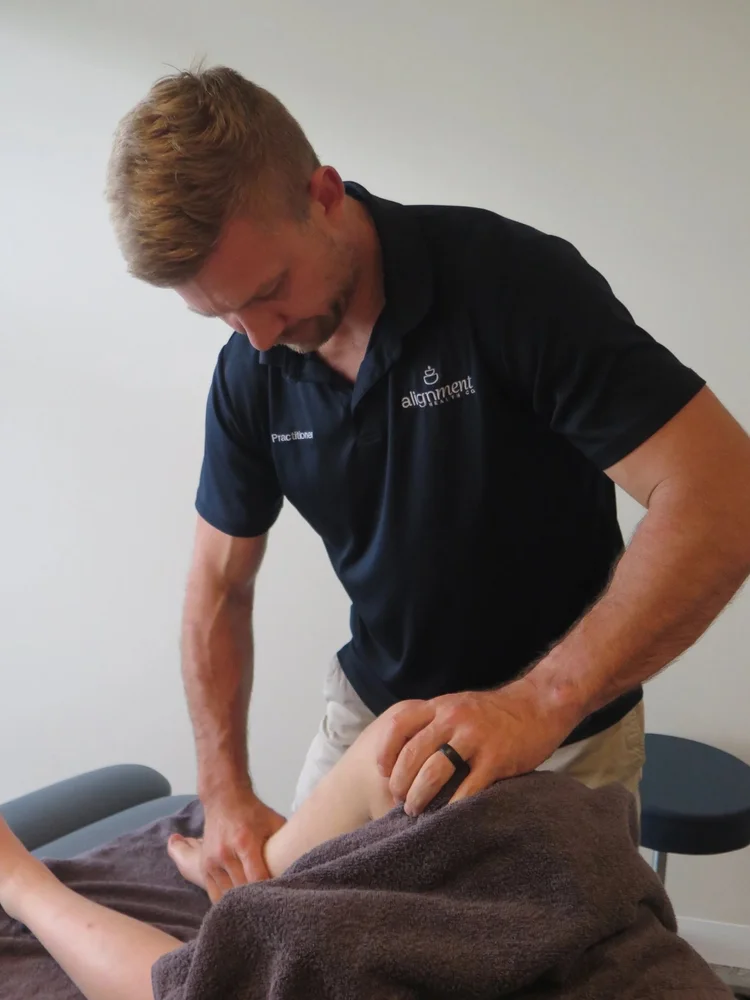
Treating Acute Pain The goal of treating acute pain is to reduce pain, protect the injured tissue, and create the best environment for healing so you can safely return to normal activity. In the early stages, treatment is often a "less is more" approach. Rather than trying to push through pain or over-treat treat the area, we first assess for any serious injuries or red flags. From there, the focus is on calming irritated tissues, reducing pain and inflammation, and promoting healing without provoking further irritation.
|
|
This may include: Short-term activity modification to avoid movements that worsen symptoms. Gentle hands-on treatment to reduce pain and encourage healthy blood flow. Maintaining comfortable movement, rather than complete rest, where appropriate. A gradual return to normal loading and activity as your pain settles and healing progresses. |
|
|
|
If you experience severe deformity, an inability to bear weight, increasing numbness or weakness, fever, or severe unrelenting pain, it's important to seek urgent medical assessment. Chronic PainChronic pain is different. After three months, pain is often no longer driven purely by tissue damage. The nervous system itself can become more sensitive, meaning pain persists even though healing has largely occurred.
That's why people with chronic pain often experience good days and bad days, with symptoms that fluctuate over time.
|
|
|
Treating Chronic Pain The goal of treating chronic pain is to improve function and quality of life, reduce the frequency and intensity of flare-ups, and gradually change how your body and nervous system respond to pain over time.
Treatment is typically collaborative and gradual. Rather than looking for a quick fix, we work together to address both the affected tissues and the nervous system's response to them, helping you build confidence in movement so you can return to the activities that matter most.
|
|
|
|
|
|
This may include: Graded exercise to gradually improve strength, movement and tolerance to activity. Pacing daily activities to reduce flare-ups while continuing to make progress. Optimising sleep and recovery to support healing and improve resilience. Education and self-management strategies to better understand your condition and manage symptoms. Targeted hands-on treatment where appropriate to complement your rehabilitation.
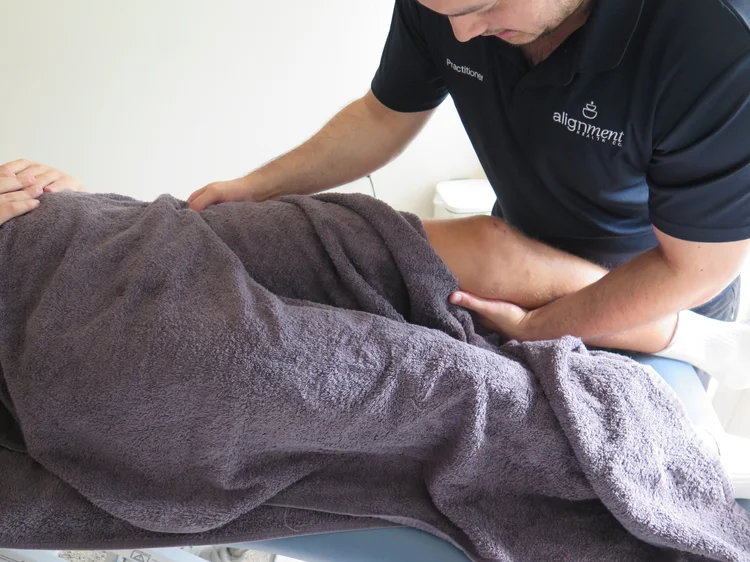
Recovery from chronic pain often takes longer than recovering from an acute injury, and progress isn't always linear. While some structural changes may remain following significant injury or illness, meaningful improvements in pain, movement, strength and overall quality of life are absolutely possible. What Recovery Looks LikeAt Alignment Health Co, my rehabilitation is still ongoing because I sustained a significant injury. It begins with making sure my structure is sound, so I'm not placing unnecessary stress on other muscles or joints as I relearn how to walk. If the structure isn't right, the function that follows won't be either. From there, the focus shifts to rebuilding strength and mobility with Harrison, making the most of the movement improvements that good structure allows. Some days, all I need is a massage to settle muscles that have been working overtime. Progress has been real, even if it hasn't been linear. A quote from my current favourite book series has stayed with me throughout this recovery:
|
|
"The most important step a man can take. It's not the first one, is it? It's the next one. Always the next step." — Oathbringer,
Brandon Sanderson
|
|
|
|
|
|
|
That quote perfectly captures rehabilitation. Recovery rarely comes from one giant breakthrough. It comes from taking the next step, then the next, and slowly realising just how far you've come. Sometimes those small steps end up feeling like enormous leaps.
Logically, I know there may always be changes in my foot. But I've learnt that structural change doesn't automatically determine pain or what you're capable of doing. Degenerative changes and pain are often far less closely related than people think. What matters most is continuing to take the next step.
|
|
Three Things I'd Like You to Remember
|
|
|
|
|
|
1. New pain: Get it assessed if it's severe, but don't assume pain always equals damage. Reduce activities that aggravate your symptoms and keep gently moving where appropriate. 2. Long-standing pain: Be patient. Recovery usually comes from small, consistent improvements rather than dramatic fixes. Focus on achievable goals and trust the process. 3. Feeling stuck? Don't guess. A thorough assessment can identify what's driving your symptoms and help you build a realistic, achievable plan.
Interested to learn more about Aden’s rehabilitation?
We have been working on a series of short videos that captures his time in the clinic and the progress he’s making.
|
|
|
|